

How to Make Modern Living Room Design Work With Your Space
Modern living room design partially depends on selecting the right style or silhouette. It’s also about understanding how furniture interacts with the room’s architecture. When pieces complement the proportions and geometry of a space, the result feels effortless. When they fight the room, even beautiful furniture can feel complicated.
Designers see this distinction constantly. The same sculptural piece can look intentional in one space and completely disruptive in another. The difference isn’t the trend. It’s the fit.
Here’s what to consider when designing a modern living room:
Why Modern Living Room Design Depends on the Room’s Architecture
Every living room has its own constraints: length, width, ceiling height, window placement, traffic paths. Modern design works best when those realities guide the decisions instead of being forced to adapt to a single dramatic piece.
When furniture aligns with the architecture:
- layouts feel intuitive
- circulation feels natural without being overly calculated
- visual balance happens almost automatically
When it doesn’t, the room starts to feel strained. The furniture may be stunning, but it demands compromises the space wasn’t designed to make. Modern design isn’t one-size-fits-all. It’s responsive.
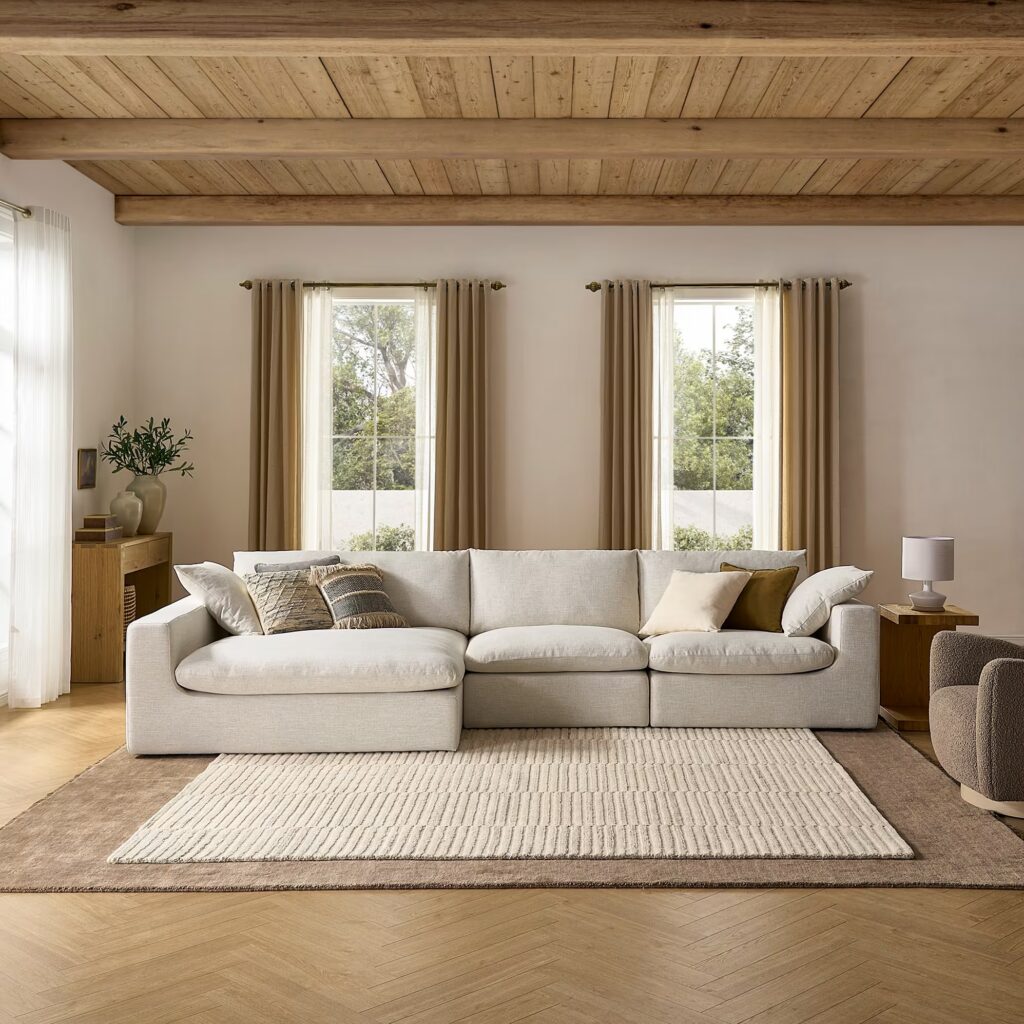
When Does Sculptural Furniture Work Best?
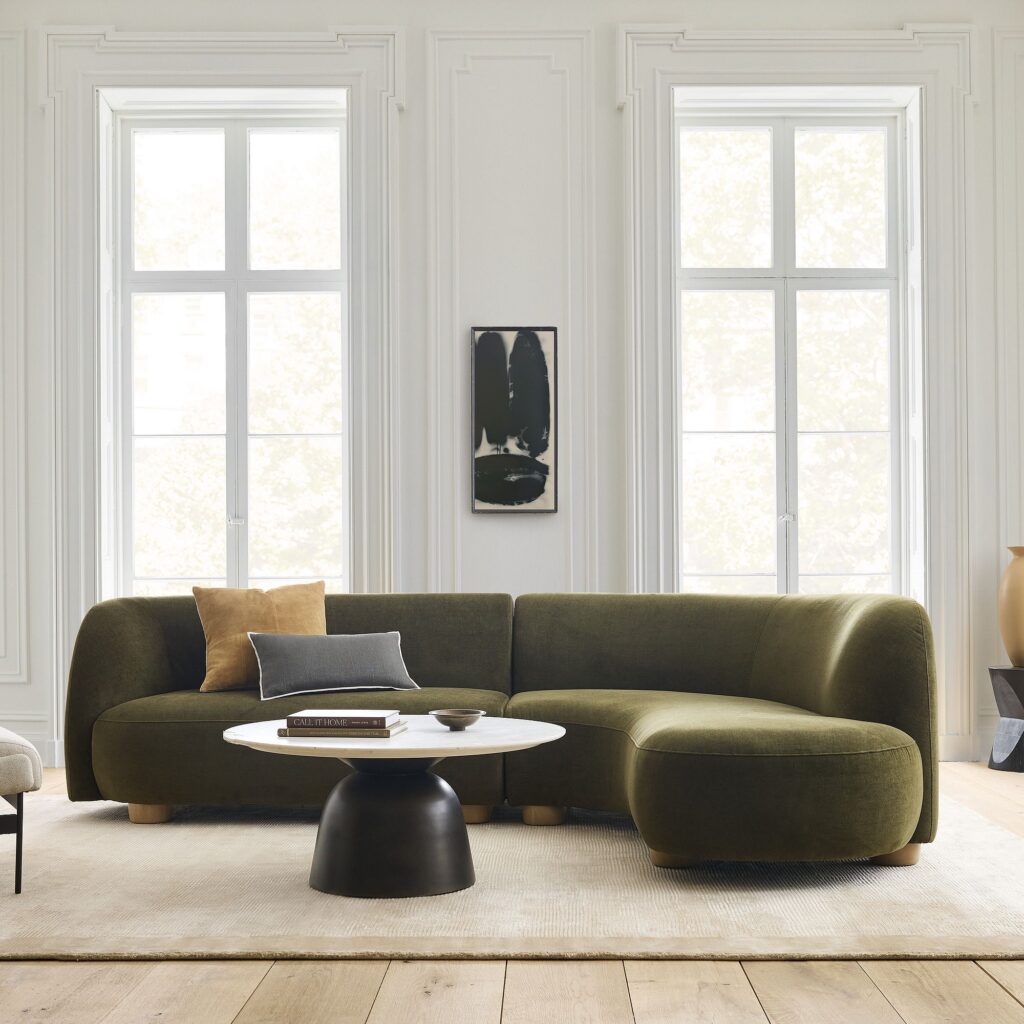
Curved sofas and crescent silhouettes have been present in modern interiors for several years, and they’re not disappearing. They soften sharp lines and introduce movement into otherwise rectilinear spaces.
In rooms that are more square or generously proportioned, curved furniture can:
- create dynamic conversation zones
- soften strong architectural lines
- add dimension without overwhelming the layout
When the architecture supports the shape, sculptural pieces feel organic rather than performative. You may think the success of the curve is about modernity, but really, it’s about compatibility.
Interior designer Betsy Helmuth discussing how curved furniture works differently depending on room shape and layout.
When Do Sculptural Pieces Complicate a Space?
The challenge arises when geometry and architecture don’t align.
In long, shallow living rooms, for example, a heavily curved sofa can introduce practical issues:
- difficulty placing side tables without awkward negative space
- limited options for console tables behind seating
- triangular gaps that are difficult to furnish cleanly
The room begins adjusting itself around the furniture rather than the furniture serving the room. That’s when a design decision feels forced, not because curves are wrong, but because the proportions don’t support them. Modern living room design works best when shape enhances structure, not when it overrides it.
How Designers Introduce Curves Without Limiting Flexibility
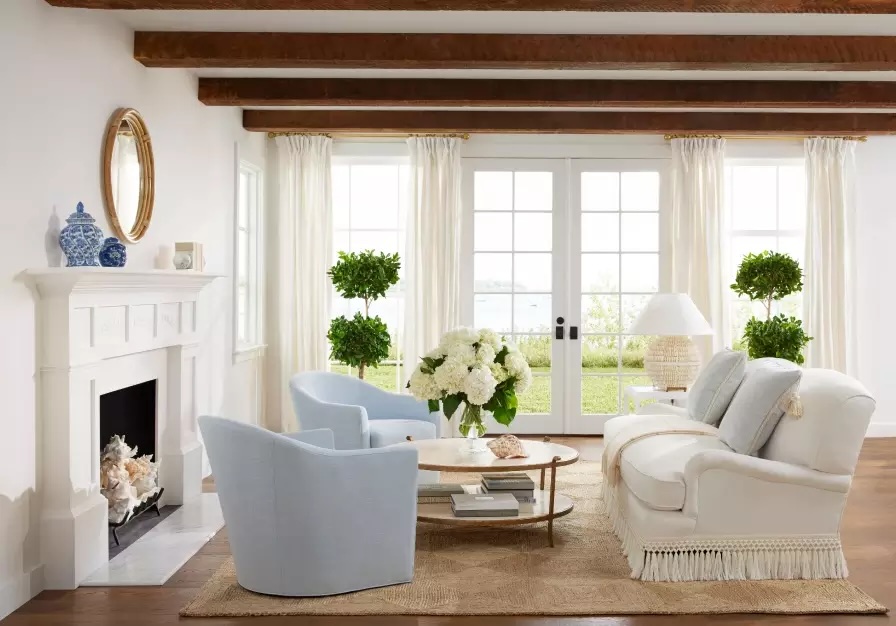
Rather than building the entire room around a dominant sculptural piece, designers often introduce curves more selectively: A rounded accent chair, a softly curved ottoman, or a subtly shaped coffee table.
These smaller pieces:
- add softness without dictating the entire layout
- preserve table placement options
- allow the room to evolve more easily over time
This approach keeps the architecture in control while still embracing contemporary form.
Designing Modern Rooms With Intention
Modern living room design that truly fits the space begins with reading the room correctly. The architecture sets the parameters. The furniture responds.
When geometry, proportion, and layout work together, sculptural elements feel elevated instead of complicated. And when they don’t, even the most beautiful piece can feel misplaced.
The goal is to apply bold design, but only when and where it belongs. That distinction is what separates modern rooms that feel considered from those that feel forced.
If you’re unsure whether a piece will enhance your space or quietly complicate it, that’s where thoughtful planning makes the difference. Book a complimentary design consultation, and we’ll help you create a modern living room that fits your lifestyle.